145 Alive, The 2m Craze
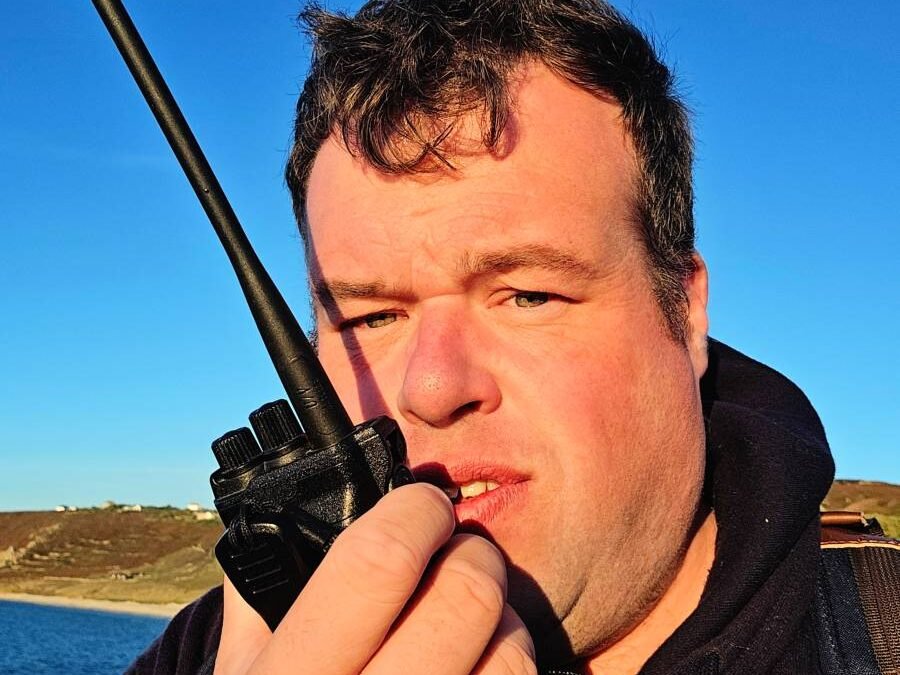
Recently, I made contact with a fellow ham operating portable from Kit Hill on both 2m FM and SSB. It ties into a popular new UK radio phenomenon called "145 Alive"—such a catchy concept. Inspired by this, I'm considering trying portable operations myself soon. However, since I discovered Kit Hill is 13 miles away, cycling there is out of the question! As a designated SOTA summit, it's an exceptional location for amateur radio; working from the Callington area, I've previously logged HF DX as far as Wales and Portugal.
The Right Equipment
-
Band and Modes: You’ll be operating on the 2-metre band (144/145 MHz) using FM Simplex or SSB Simplex.
-
Transceiver: A standard 2m mobile, handheld (HT), or shack rig. If you're doing the structured challenges, note that there is typically a 25-watt maximum power cap to level the playing field and focus attention on antenna efficiency and terrain.
-
Antennas: Since it’s all point-to-point simplex (no repeaters allowed), elevation and a decent antenna are your best friends. An elevated portable setup on a SOTA summit like Kit Hill gives you a massive advantage over operating from a valley.
The Rules of Engagement
-
No Repeaters or Internet Gateways: All contacts must be direct, point-to-point simplex. Repeaters, Echolink, AllStar, and digital modes like FT8 are strictly prohibited for the event.
-
The Calling Frequencies:
-
FM Simplex calling is usually 145.500 MHz.
-
SSB Simplex calling is usually 144.300 MHz USB.
-
Tip: Once you make contact on a calling frequency, you should immediately QSY (move) to an agreed adjacent clear channel to keep the calling frequency open for others.
-
-
The Exchange: To log valid contacts (especially if you're participating in their tracking or challenges), you typically need to exchange a signal report and your 6-digit Maidenhead Locator Square (e.g., IO70xn for the Callington/Kit Hill area).
Thanks all that's it for now. 73 88